Limbs Removal in Honolulu, HI
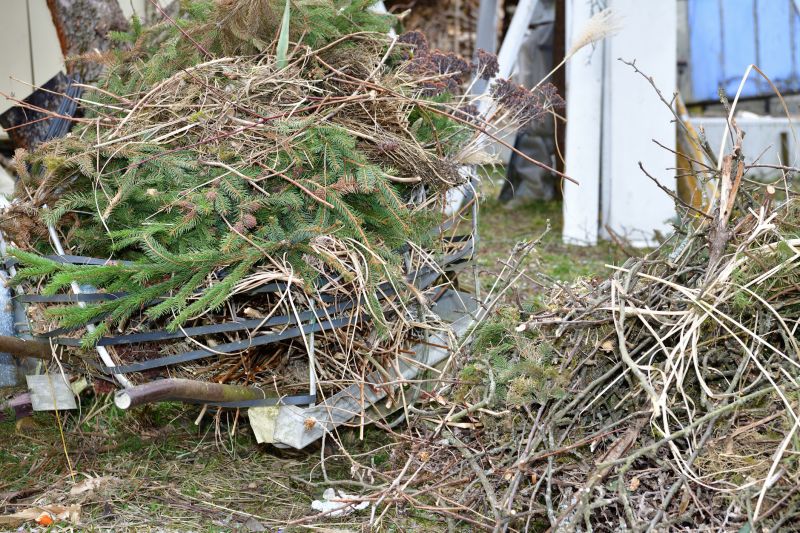
Limbs removal services involve the professional removal of unwanted or hazardous tree limbs and branches to improve the safety, health, and appearance of a property’s trees. This service typically covers projects such as trimming overgrown branches, removing dead or diseased limbs, and clearing away branches that pose a risk to structures, power lines, or pedestrians. Homeowners often request this service to maintain the safety of their outdoor spaces, prevent damage during storms, or promote healthy growth for trees on their property.
Before requesting limbs removal, property owners usually want to understand the scope of work involved, including which branches will be removed and how the process might impact the overall health of the tree. It’s also helpful to consider any local regulations or restrictions related to tree work. Clear communication about the desired outcomes and any specific concerns can ensure the project aligns with the property owner’s safety and aesthetic goals.
Many property owners in Honolulu, HI look into Limbs Removal for repairs, replacements, upgrades, and appearance-related improvements.
Types Of Limb Removal Procedures
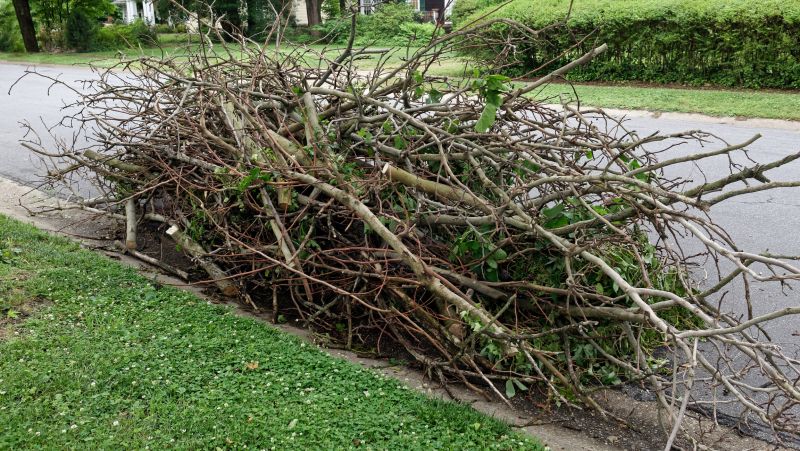
Different procedures are available depending on the condition and location of the limb.
Pre-Procedure Considerations
Preparation involves understanding recovery options and post-surgery care for optimal healing.
Post-Removal Support And Care
Proper follow-up ensures comfort, mobility, and adaptation after limb removal in honolulu, hi.
Limbs Removal in Honolulu, HI
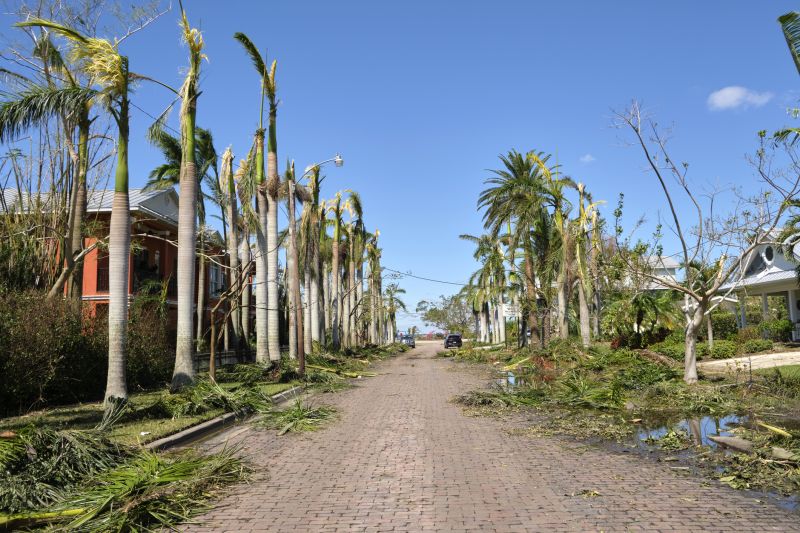
Limbs removal services involve the professional removal of unwanted or hazardous tree limbs and branches to improve the safety, health, and appearance of a property’s trees. This service typically covers projects such as trimming overgrown branches, removing dead or diseased limbs, and clearing away branches that pose a risk to structures, power lines, or pedestrians. Homeowners often request this service to maintain the safety of their outdoor spaces, prevent damage during storms, or promote healthy growth for trees on their property.
Before requesting limbs removal, property owners usually want to understand the scope of work involved, including which branches will be removed and how the process might impact the overall health of the tree. It’s also helpful to consider any local regulations or restrictions related to tree work. Clear communication about the desired outcomes and any specific concerns can ensure the project aligns with the property owner’s safety and aesthetic goals.
Many property owners in Honolulu, HI look into Limbs Removal for repairs, replacements, upgrades, and appearance-related improvements.
Common Limbs Removal Jobs
Tree limb removal - safely removing overhanging or damaged branches to prevent property damage.
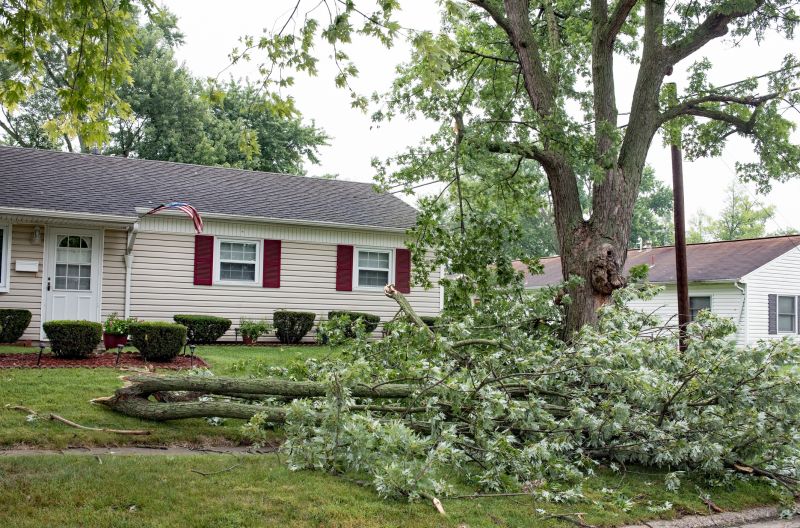
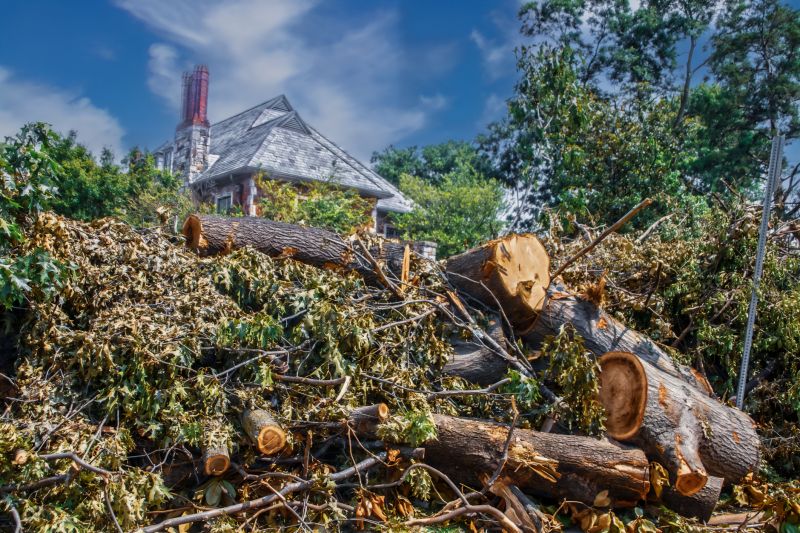
Storm damage limb removal - clearing fallen or broken limbs caused by severe weather events.
Emergency limb removal - quick removal of hazardous limbs that pose immediate safety risks.
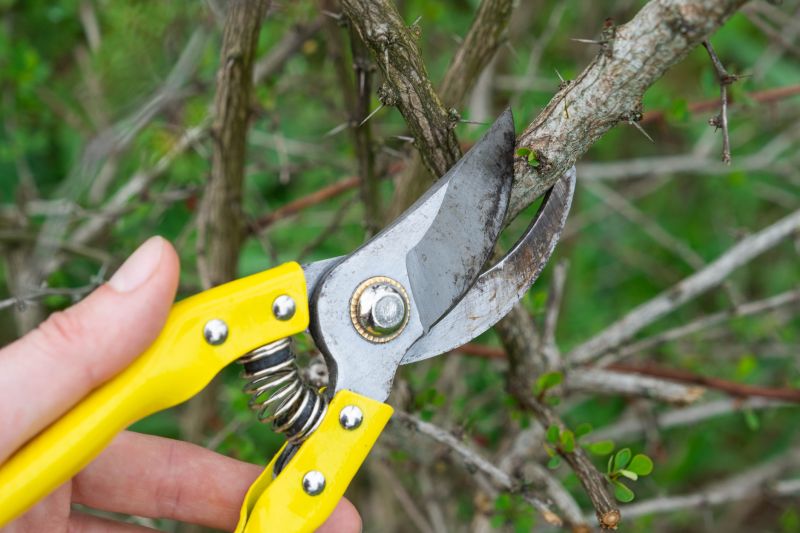
Selective limb removal - trimming specific branches to improve tree health and structure.
Utility line clearance - removing limbs that interfere with power or communication lines.
Aesthetic limb pruning - shaping trees to enhance landscape appearance and curb appeal.
Limbs Removal Questions
What types of limbs removal services are available? Services include removal of damaged or diseased limbs, as well as clearance of fallen or hazardous branches to improve safety and aesthetics.
Is limbs removal necessary for property safety? Yes, removing unstable or dead limbs reduces the risk of falling and potential property damage during storms or high winds.
What should property owners consider before limbs removal? It's important to assess the condition of trees and limbs, and to plan for proper disposal or recycling of removed materials.
How does limbs removal impact property appearance? Removing overgrown or damaged limbs can enhance the overall look of the landscape and promote healthier tree growth.
Request Limbs Removal in Honolulu, HI
Use the quote form on this page to share the basics of your project and request more information for the type of work you need.